
A basic backyard upgrade can start around the cost of a small interior remodel – and a fully built-out entertaining space can climb fast once you add pavers, shade, lighting, a fire feature, or an outdoor kitchen. If you’re asking how much does it cost to build an outdoor living space, the honest answer is that price depends on size, materials, drainage needs, and how you want the space to function in Florida weather.
For most Tampa Bay homeowners, outdoor living projects usually fall somewhere between $8,000 and $60,000 or more. A simple paver patio sits at the lower end. A custom layout with retaining walls, a pergola, built-in seating, lighting, and premium finishes can move well beyond that. The real question is not just what it costs, but what you’re building, how long you want it to last, and whether the installation is being done correctly from the ground up.
How much does it cost to build an outdoor living space in Tampa Bay?
In practical terms, most outdoor living spaces are priced in layers. The foundation of the project is the hardscape itself – usually a paver patio, walkway, pool deck, or gathering area. Then the total rises based on add-ons and site conditions.
A small, straightforward paver patio may cost roughly $8,000 to $15,000. A mid-range outdoor living area with a larger patio, defined seating zones, decorative borders, lighting, and a pergola often lands in the $15,000 to $35,000 range. A high-end custom build with multiple living zones, a fireplace or fire pit, retaining walls, premium pavers, drainage work, and an outdoor kitchen can range from $35,000 to $60,000 and up.
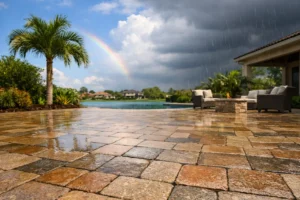
That spread is wide for a reason. Two patios may look similar in photos but be very different in labor, base preparation, demolition, access, and material quality. In Florida, where heavy rain and shifting ground can expose shortcuts fast, the lower quote is not always the better value.
What drives the cost of an outdoor living space?
The biggest pricing factor is square footage. A larger footprint means more excavation, more base material, more pavers, more labor, and more edge restraint. If the design includes curves, steps, multiple elevations, or built-in features, labor becomes even more specialized.
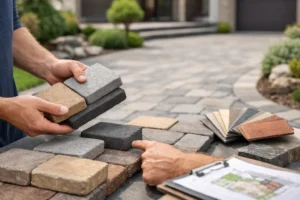
Material selection also matters. Standard concrete pavers are generally more budget-friendly than premium textured or oversized architectural pavers. Natural stone can raise the price further. The same goes for finishes such as decorative borders, contrasting inlays, coping details, and custom patterns.
Then there is the condition of the site. A flat, open backyard with easy access is more efficient to build than a yard with drainage issues, unstable soil, tree roots, old concrete removal, or limited equipment access. In neighborhoods across Tampa, Brandon, Riverview, Clearwater, and St. Petersburg, these site variables can make a major difference in the final proposal.
Base preparation and drainage are not optional
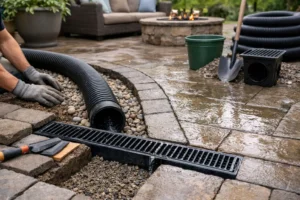
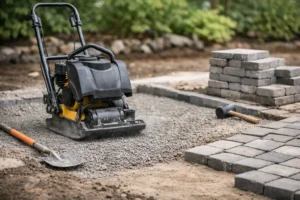
This is where many estimates separate themselves. A properly installed outdoor living space is not just surface material laid over dirt. It starts with excavation, grading, compaction, and drainage planning. Without that, even beautiful pavers can shift, settle, or hold water.
In the Tampa Bay area, drainage is a real cost factor because it protects the lifespan of the project. If a contractor needs to correct slope, add drains, improve runoff, or rebuild a weak sub-base, that work adds cost upfront but helps prevent expensive repairs later. Homeowners often focus on the visible features, but the hidden work below the surface is what keeps the space performing.
Features that increase price quickly
Some upgrades add a lot of impact without dramatically increasing cost. Others can move the budget in a hurry. A fire pit is usually more affordable than a full outdoor fireplace. A freestanding pergola often costs less than a fully covered structure with electrical work. Built-in seating, outdoor kitchens, water features, and custom masonry walls all add complexity, labor, and materials.
Lighting is another example. Basic pathway or accent lighting may be a manageable upgrade. A complete lighting plan with wiring, transformers, fixture placement, and feature illumination becomes a bigger investment, but it also makes the space usable after sunset.
Typical price ranges by project type
If you’re budgeting by feature instead of by full project, it helps to look at common components individually.
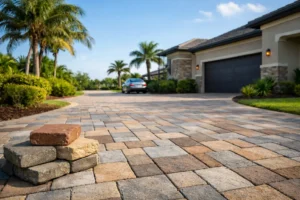
A paver patio or seating area often starts around $8,000 for a modest footprint and rises with size, pattern complexity, and material selection. Pool decks can vary widely depending on layout and demolition needs, but many homeowners invest in the mid-to-upper range because slip resistance, drainage, and appearance all matter around water.
Walkways, steps, and stoops are usually smaller in scale, but they still require proper grading and structural support. Retaining walls vary based on height, engineering needs, and finish. Fireplaces and covered pergolas tend to sit in the premium category because they combine hardscaping with structural or specialty construction.
When several of these elements are combined into one outdoor living area, the budget becomes more efficient than pricing them as disconnected projects. A coordinated build usually allows for better layout planning, smoother installation, and a more finished result.
How to budget for the outdoor space you actually want
The best way to approach budget is to decide what the space needs to do first. Do you want a quiet patio for family use, a poolside area that handles regular traffic, or a full entertaining zone with shade and cooking space? Function should lead design.
Once that is clear, prioritize the permanent elements. The patio footprint, drainage, grading, and main hardscape should come first because they shape everything else. Decorative upgrades can often be phased in later, but rebuilding the base or resizing the layout after installation is much more expensive.
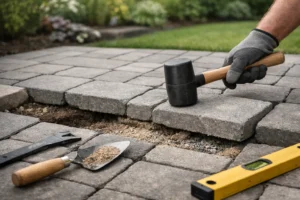
This is also where working with an experienced local contractor matters. A good estimate should explain not just the surface materials but the installation process – excavation depth, base compaction, edge restraint, joint sand, drainage strategy, and cleanup. If the proposal is vague on those points, it is harder to judge what you are really paying for.
Cheap quotes usually leave something out
Homeowners comparing bids often notice big price differences. Sometimes that gap comes from material upgrades or project scope. Other times it comes from what is missing.
A lower bid may exclude demolition, haul-away, drainage correction, border work, sealing, or proper base depth. It may also rely on rushed labor or skip steps that are critical in Florida’s climate. That can lead to movement, uneven surfaces, water problems, and repairs long before the space should need attention.
A well-built outdoor living area should feel solid underfoot, drain correctly, hold its lines, and still look sharp after seasons of heat and rain. That result takes planning and craftsmanship, not just materials dropped into place.
Is building an outdoor living space worth the cost?
For many homeowners, yes – especially when the space adds everyday use, curb appeal, and long-term value. In Florida, outdoor living is not a short seasonal luxury. It’s part of how people use their homes for much of the year.
A professionally installed patio, pool deck, or covered gathering area can make the backyard more functional, easier to maintain, and more enjoyable for family time or entertaining. It can also improve how the property presents overall, which matters if resale is ever on the horizon.
That said, value depends on execution. A poorly installed patio is a repair project waiting to happen. A thoughtfully designed space with proper drainage, durable materials, and clean installation tends to hold up better and feel worth the investment every time you use it.
Final thought on how much does it cost to build an outdoor living space
If you are planning an outdoor upgrade, the smartest starting point is not chasing the lowest number – it is getting a clear plan for the space, the materials, and the installation behind it. Whether your budget is closer to $10,000 or $50,000, the goal is the same: build something that looks right, drains right, and lasts. For Tampa Bay homeowners, that is where real value starts, and it is exactly why companies like Top Pavers focus so heavily on the work you do not see before the finished space ever takes shape.