A backyard usually tells the truth about how a home is used. Some families want a quiet patio for coffee and dinner. Others need a pool deck that can handle weekend traffic, wet feet, and Florida heat. When homeowners start comparing types of outdoor living spaces, the real question is not just what looks good. It is what fits the property, the climate, and the way the space will actually be lived in.
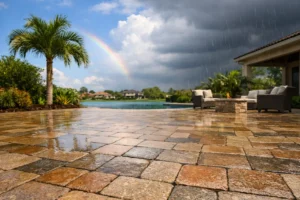
In Tampa Bay, that matters more than most places. Heavy rain, strong sun, sandy soil conditions, and year-round outdoor use all put pressure on hardscape design. A beautiful space still has to drain properly, hold up over time, and feel comfortable to use in the middle of July.
How to choose between types of outdoor living spaces
The best outdoor layout usually starts with function first and finishes second. If a homeowner wants to entertain often, the space needs room for circulation, seating, and easy access from the house. If the goal is relaxation, shade and privacy may matter more than square footage.
It also helps to think in layers. One outdoor space can serve multiple purposes, but not every yard should try to do everything. A smaller property may be better served by a well-built patio and walkway than by forcing in a fireplace, pergola, and oversized seating area. Good design is not about adding features for the sake of it. It is about making the space feel natural, durable, and easy to enjoy.
1. Patios
For many homes, the patio is the foundation of outdoor living. It creates a clean, usable surface for dining sets, lounge furniture, and everyday gathering. It also connects the home to the yard in a way grass alone never can.
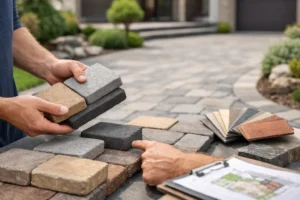
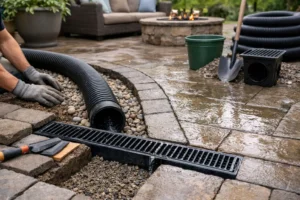
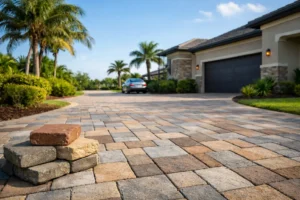
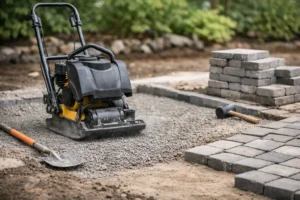
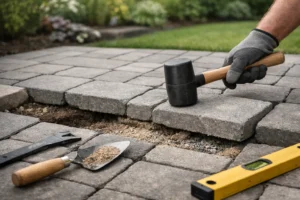
Paver patios are especially popular because they offer design flexibility and long-term performance. Shapes, colors, and laying patterns can be customized to match the home, whether the style leans coastal, traditional, or modern. More importantly, a properly installed patio depends on what is below the surface – excavation, grading, compacted base material, and drainage planning. Without that, even a good-looking patio can settle, shift, or hold water.
For Tampa Bay homeowners, patios tend to work best when they are sized to actual furniture and movement. A patio that looks large on paper can feel cramped once chairs are pulled out and people start walking through it.
2. Pool decks
A pool deck has a different job than a standard patio. It has to perform well around constant moisture, direct sun, sunscreen, foot traffic, and splash-heavy use. It also has to feel safe underfoot.
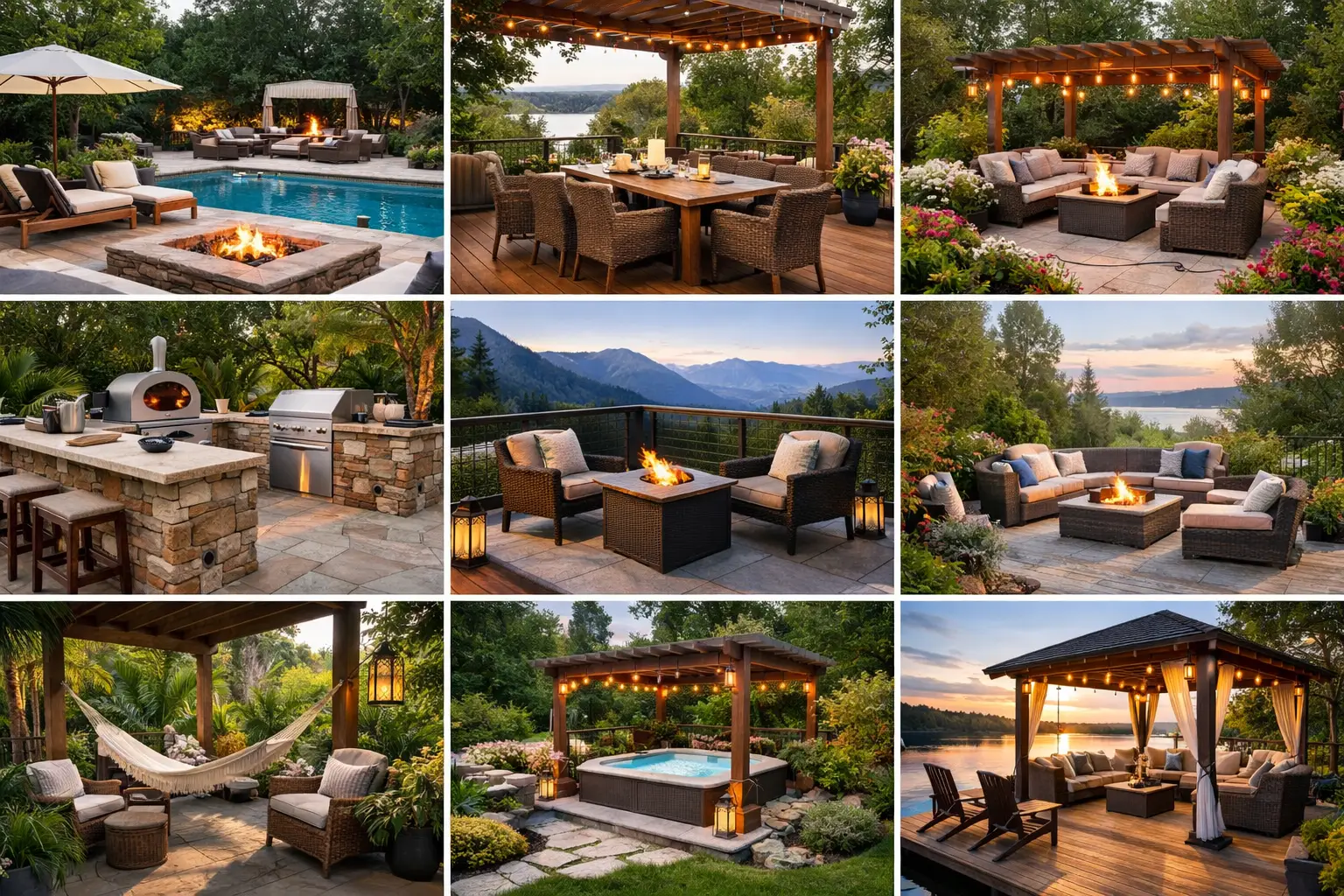
Among the most practical types of outdoor living spaces in Florida, pool decks stand out because they combine aesthetics with performance demands. Surface material matters here. Homeowners typically want something slip-resistant, cooler than plain concrete in the sun, and attractive enough to frame the pool as a focal point.
Pavers are a strong fit because individual units can be repaired more easily than a single poured slab, and the finished look can elevate the entire backyard. Still, appearance is only part of it. Pool deck installation needs careful slope and drainage control so water moves away from the house and does not collect where people walk barefoot.
3. Outdoor kitchens and grill areas
For homeowners who entertain often, an outdoor kitchen turns the backyard from a place to sit into a place to host. Even a simple grill station with counter space can make a major difference. A more complete setup may include bar seating, storage, and room for serving.
The trade-off is that outdoor kitchens require more planning than people expect. Utilities, clearances, weather exposure, and traffic flow all need to be considered early. The hardscape around the kitchen matters just as much as the appliances. The surrounding patio has to support movement, define the cooking zone, and hold up to spills, heat, and frequent use.
In many Florida homes, the smartest approach is not the biggest one. A compact, well-placed grill area under partial cover can deliver more daily value than a large kitchen that sits exposed to sun and rain.
4. Covered pergolas and shade structures
Shade can be the difference between a space that looks great and a space that gets used. In Florida, that is not a small detail. A pergola or covered structure helps make patios, seating areas, and outdoor dining zones more comfortable during the hottest parts of the day.
These features also give the yard more shape. They create a sense of destination and make open space feel intentional. On larger patios, a pergola can break up the layout so the backyard feels designed rather than empty.
It depends, though, on placement and proportion. A structure that is too small may not provide meaningful coverage. One that is too large can overpower the yard or block views from the house. The base beneath it matters too. If the paver surface is not installed correctly, the beauty of the overhead feature will not make up for a patio that shifts or drains poorly.
5. Fireplaces and fire features
Fireplaces and fire pits extend the use of an outdoor area and create a strong visual anchor. They work especially well in lounge-style layouts where the goal is conversation, not just dining. Even in warm climates, a fire feature can make evenings more comfortable during cooler months and add atmosphere throughout the year.
The decision often comes down to how the space will be used. A built-in outdoor fireplace feels more architectural and substantial. A fire pit is usually more casual and can encourage a more social seating arrangement. Either way, the surrounding hardscape should support the feature safely and comfortably.
This is one of those areas where balance matters. A fire feature can elevate a backyard, but if it takes too much room from the patio or leaves little space for circulation, it can make the layout feel tight instead of inviting.
6. Walkways and garden paths
Walkways are often overlooked because they seem secondary, but they play a big role in how outdoor spaces function. A well-designed path guides movement, connects zones, and makes a property feel finished. It can link the driveway to the front entry, the patio to the pool, or the side yard to a gate or storage area.
Good walkways do more than improve appearance. They help with drainage patterns, reduce wear on the lawn, and make the yard safer and cleaner after heavy rain. In many homes, adding or upgrading a walkway is one of the simplest ways to make the whole property feel more polished.
The best path designs usually match the home and nearby hardscape rather than competing with them. Consistency in material and installation quality goes a long way.
7. Courtyards and private sitting areas
Not every outdoor living space needs to be large. A smaller courtyard, side-yard retreat, or tucked-away sitting area can add real value, especially for homeowners who want a quiet place to read, relax, or enjoy morning coffee.
These spaces work well when privacy is part of the goal. Walls, planting, or strategic layout choices can make a compact area feel separate from the rest of the yard. Because the footprint is smaller, homeowners often have room to invest in better finishes, custom paver patterns, or a more refined design.
This kind of space is especially effective on properties where the backyard is not huge, but the homeowner still wants something more intentional than a basic slab behind the house.
8. Multi-zone outdoor living areas
Some of the most functional types of outdoor living spaces are not single-purpose spaces at all. They are multi-zone layouts that combine a patio, shade structure, walkway, pool deck, and seating area into one connected design.
When done well, this approach gives a property the most flexibility. One area can be used for dining, another for lounging, and another for circulation or transition. It helps larger yards feel organized and gives active households room to spread out.
The challenge is execution. Multi-zone designs need strong planning so the yard feels cohesive instead of crowded. Changes in elevation, transitions between paver areas, drainage slopes, and visual flow all need to be handled correctly. That is where craftsmanship matters. A space can look impressive in a sketch, but long-term results come from proper prep work, precise installation, and attention to how water and traffic move across the site.
Which outdoor space adds the most value?
The answer depends on the home and neighborhood, but patios, pool decks, and well-integrated entertaining spaces tend to offer the strongest everyday return. They improve usability, curb appeal, and buyer perception without feeling overly specialized.
That said, value is not only about resale. It is also about how often the space gets used and how well it holds up. A simple patio built the right way may deliver more long-term value than a more elaborate feature installed without proper base prep or drainage. That is one reason many Tampa Bay homeowners work with specialists like Top Pavers when they want a space that looks sharp and performs in Florida conditions.
The best outdoor project is usually the one that fits your home naturally, handles the weather well, and makes it easier to enjoy being outside on an ordinary Tuesday, not just when guests come over.