
A patio can look perfect on day one and still fail within a year if the work under the surface was rushed. In Florida, that matters even more. Heavy rain, shifting soil, heat, and daily use all put pressure on a hardscape, which is why patio stone installation is never just about laying pavers in a pattern. It is about building a surface that stays level, drains correctly, and keeps its appearance over time.
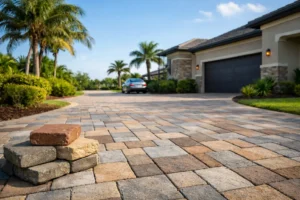
For homeowners across the Tampa Bay area, a patio is often more than a finishing touch. It becomes the place where people grill, gather, relax by the pool, or extend the living space beyond the back door. When it is installed with care, it adds both function and value. When corners are cut, the problems tend to show up fast – loose stones, standing water, edge movement, and weeds pushing through joints.
What patio stone installation really involves
Many people picture the visible part of the project first: shape, color, border style, and pattern. Those design choices matter, but the real strength of a patio starts below the stone. Proper excavation, grading, base material, compaction, and drainage planning all determine whether the finished surface performs the way it should.
A professional patio stone installation begins by evaluating the site itself. Soil conditions, slope, nearby structures, water flow, and intended use all affect the build. A small seating area behind a home may need a different approach than a large entertainment patio with a fire feature, walkway connections, or heavy outdoor furniture.
That is one reason experienced installation matters. Two patios can use the same paver style and look similar in photos, but one may last for years with minimal maintenance while the other begins shifting after the first rainy season.
Why the base makes or breaks the patio
The most attractive pavers in the world cannot fix a weak foundation. Base preparation is the part homeowners do not always see, but it is the part that protects the investment.
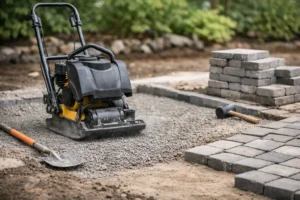
The process usually starts with excavation to the right depth for the site and the expected load. From there, the base is built in layers and compacted correctly. This is what creates stability and helps reduce settling. If the subgrade is uneven or the base is too shallow, the patio may start to dip, separate, or collect water.
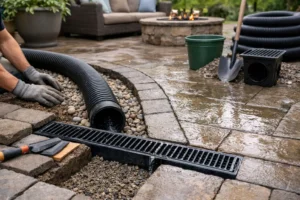
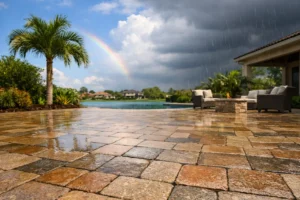
In Tampa Bay, drainage is not optional. Afternoon storms can dump a lot of water quickly, and flat-looking yards often still need deliberate grading to move water away from the home and off the patio surface. A properly installed patio should feel solid underfoot and also work with the property’s drainage needs instead of fighting them.
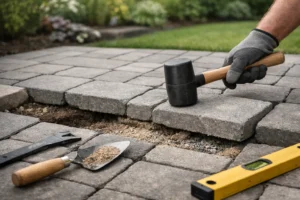
That is where craftsmanship shows. Good installation is precise, not rushed. The slope has to be intentional. The edges have to be secure. The bedding layer has to be even. These are the details that help a patio keep its lines and stay low-maintenance.
Choosing the right stone or paver for the space
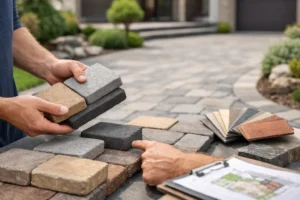
Not every patio material is the right fit for every property. Some homeowners want a clean, modern look with larger format pavers. Others prefer a more traditional style that complements brick, stucco, or coastal architecture. The right choice depends on the home, the budget, and how the space will be used.
Concrete pavers are a common choice because they offer strong performance, design flexibility, and a wide range of colors and textures. They also work well in outdoor living spaces where durability and visual consistency matter. Natural stone can create a premium look, but it may come with a higher price point and different maintenance expectations.
It also helps to think beyond appearance. A patio near a pool may need a texture that feels safer under wet feet. A backyard entertainment area may benefit from a color blend that hides everyday dirt and wear. Lighter tones can stay cooler in direct sun, which is worth considering in Florida heat.
A good contractor will talk through those trade-offs instead of pushing one option for every job. The best result is not just a patio that looks impressive when it is new. It is one that fits the property and how the homeowner actually lives.
Patio stone installation and drainage planning
Design matters, but performance matters more
A well-designed patio should feel like it belongs with the home. Shape, border accents, laying pattern, and transitions into walkways or pool decks all play a role. But design should support performance, not distract from it.
For example, a large patio with multiple curves and elevation changes can look beautiful, but it also requires more planning to keep lines clean and water moving properly. Likewise, adding steps, retaining features, or pergola footings can improve the finished space, but only if they are integrated into the installation from the start.
This is where a lot of homeowners appreciate working with a team that handles both the visual side and the structural side of the job. You should not have to choose between a patio that looks custom and one that is built to last. The goal is both.
Professional installation also means cleaner execution. Materials should be handled carefully, cuts should be precise, jobsite disruption should be controlled, and the property should be left in good condition once the work is complete. Those details matter because the installation experience matters too.
Common problems caused by poor installation
When a patio is installed without proper prep, the issues are usually predictable. Water may pool in low spots. Stones may rock underfoot. Joint lines can open up. Edges can spread over time, especially where the patio meets lawn or planting beds. In some cases, the surface simply starts looking tired far earlier than it should.
Florida weather can accelerate those problems. Saturated ground, intense sun, and frequent use all expose weak workmanship. A patio that was installed too quickly may still look acceptable right after completion, but the first season of heavy rain often reveals the truth.
Repairs are possible in many cases, but repair work is usually more expensive and more disruptive than building the patio correctly from the start. That is why it makes sense to ask questions before the project begins. How deep will the excavation be? How is drainage being handled? What base materials are being used? How are the edges secured? Clear answers usually tell you a lot about the contractor.
What homeowners should expect from a professional process
A solid patio project should feel organized from the first visit. That starts with an on-site assessment, measurements, and a conversation about how you want to use the space. A contractor should look at access, grade, existing surfaces, drainage patterns, and any adjoining features that could affect the layout.
From there, the plan should cover more than just square footage and color selection. It should account for site prep, material recommendations, borders if desired, and the finish details that make the space feel complete. Homeowners should also know what to expect during construction, including how the area will be protected and cleaned up.
That level of planning gives confidence. It shows the project is being approached as a long-term improvement, not a quick cosmetic upgrade. Top Pavers works with that mindset because durable hardscaping is built below the surface first and seen above the surface second.
Is patio stone installation worth it?
For many homeowners, yes. A properly built patio adds usable square footage without the cost of a full addition. It improves curb appeal, supports outdoor entertaining, and can make the backyard feel more finished and intentional. It also tends to offer better longevity and lower maintenance than many basic poured surfaces, especially when the materials and installation are chosen carefully.
That said, the value depends on execution. If the patio is undersized, poorly drained, or installed with inadequate base prep, it may become a source of frustration instead of an upgrade. That is why the right design and the right installer matter just as much as the material itself.
A patio should not feel like a temporary surface. It should feel stable, comfortable, and connected to the home. It should hold up through summer storms, weekend gatherings, and everyday foot traffic without asking for constant attention.
If you are considering patio stone installation, think beyond the pattern and color sample. Ask how the patio will be built, how water will move, and how the crew will make sure it lasts in Florida conditions. A beautiful result starts there, and that is what makes the finished space worth enjoying for years.