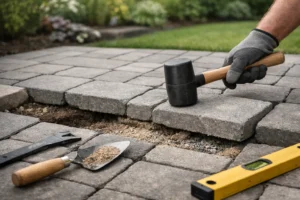
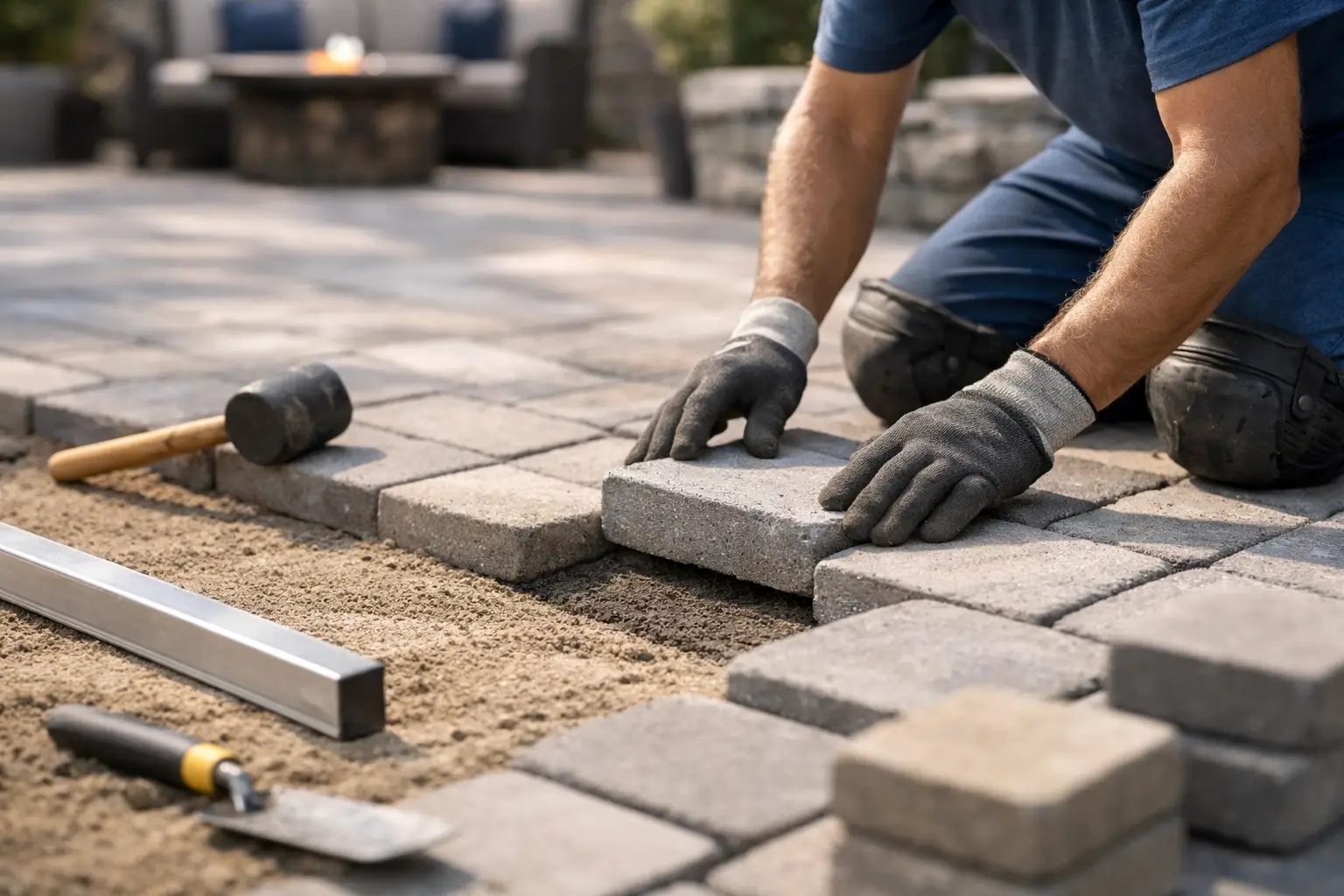
A patio can look great on day one and still fail within a year if the work underneath is rushed. In Florida, that usually shows up as shifting pavers, standing water, edge movement, or weeds pushing through joints. That is why patio block installation is never just about laying stone. The real quality comes from excavation depth, grading, compaction, drainage planning, and careful finishing.
For homeowners across Tampa Bay, a patio is more than an upgrade for the backyard. It becomes the place for grilling, entertaining, relaxing by the pool, or simply making better use of outdoor space. When it is installed correctly, it also adds structure, curb appeal, and long-term value. When it is not, even premium materials can start looking tired fast.
What patio block installation really involves
Many people picture the visible part of the job – choosing colors, patterns, and borders. That design layer matters, but it is only one part of the system. A proper patio is built from the ground up, with each layer supporting the one above it.
The process usually starts with layout and measurement. This is where the shape of the patio, transitions to the home, and drainage direction are established. From there, the area is excavated to make room for the base materials, bedding layer, and pavers themselves. If the depth is off, the finished patio may sit too high, hold water, or move over time.
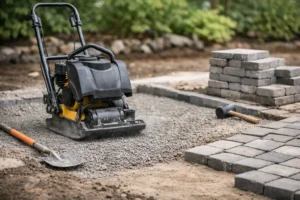
After excavation, the base is installed and compacted in lifts. That step is what gives the patio its stability. A strong base helps the surface resist settling and keeps the pattern looking clean under foot traffic, furniture, and regular weather exposure. In a climate like Tampa Bay, where heavy rain can test any outdoor surface, proper drainage and compaction are not optional details.
Why base preparation matters in Florida
The most common patio failures usually start below the surface. A patio that looks level at first can begin dipping in low spots once water starts moving through the area. That is especially true in places with frequent storms, sandy soils, or inconsistent drainage conditions.
Good patio block installation accounts for those local realities from the start. The subgrade has to be evaluated. The base has to be compacted correctly. The slope has to direct water away from the house and away from areas where it can collect. These are not flashy parts of the project, but they are the difference between a patio that holds up and one that becomes a repair job.
This is also where experience matters. Every yard has its own conditions. A flat lot near the coast may need a different drainage approach than a sloped backyard in Brandon or Valrico. A patio near a pool may need tighter attention to elevation changes and surface transitions. There is no one-size-fits-all method if the goal is lasting performance.
Choosing the right patio blocks for the space
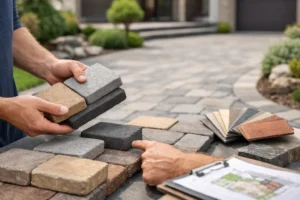
Material selection should match both the look you want and how the patio will be used. Some homeowners want a clean, modern layout with larger format pavers. Others prefer a more traditional pattern with warm color blends that tie into the home exterior. Both can work well, but appearance is only part of the decision.
The right patio blocks should also make sense for the setting. If the area gets full sun all afternoon, lighter tones may feel more comfortable underfoot. If the patio is part of a larger outdoor living plan with walkways, retaining walls, or a pool deck, the materials should complement each other without making the yard feel busy. Texture matters too. A surface needs enough grip to feel secure, especially in damp conditions.
A good installer will help narrow those choices based on use, drainage, layout, and budget – not just what looks best in a sample board.
The installation process homeowners should expect
A professional patio project should feel organized from the beginning. That starts with a site visit, measurements, and a conversation about how you want to use the space. Some patios are built for dining and entertaining. Others are meant to create a quiet seating area or connect different parts of the yard. The function should guide the shape and size.
Once the layout is finalized, the installation moves through site preparation, excavation, base work, bedding sand, paver placement, edge restraint, joint sanding, and compaction. Each step builds on the previous one. If one is skipped or rushed, the finished result can suffer.
Clean execution matters too. Homeowners want a project that improves the property, not one that leaves behind excess debris, uneven edges, or damaged lawn areas. A professional crew should work with precision, protect surrounding features where possible, and leave the site in good order.
Patio block installation and drainage go together
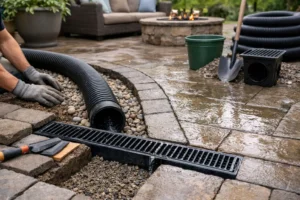
A beautiful patio that traps water is not a successful project. Drainage has to be considered before the first paver is set. The patio should shed water in a controlled way, with slopes that are subtle enough to feel natural but effective enough to prevent puddling.
This is one of the biggest reasons DIY patio work often struggles over time. Surface level may look fine to the eye, but water tells the real story. If the grade is wrong, rainwater can collect against the home, flood planting beds, wash out edges, or stain the patio surface.
In Tampa Bay, where downpours can hit hard and fast, drainage planning is part of responsible workmanship. It protects the patio, the surrounding landscape, and the property itself.
Design choices that improve the final result
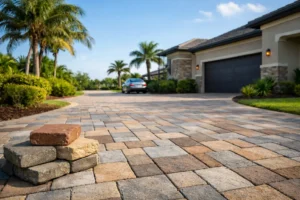
A patio should feel connected to the home, not dropped into the yard as an afterthought. Scale, pattern, border detail, and color all influence that result. A smaller patio can feel more refined with a clean border and a simple laying pattern. A larger entertaining area may benefit from defined zones for seating, dining, or a fire feature.
The shape also matters. Straight lines often suit modern homes and structured landscapes. Curves can soften a backyard and work well around pools or gardens. What matters most is that the layout fits how the space is used and how people move through it.
There is also a practical side to design. More intricate patterns and multiple accent colors can create a high-end look, but they may increase labor and material costs. Simpler layouts can still look excellent when the installation is precise and the proportions are right. Good design is not about making everything more complicated. It is about making the finished patio look intentional.
When repair is not enough
Some homeowners start by asking whether an old patio can simply be patched. Sometimes that makes sense. If the issue is limited to a small sunken section or a few loose edge pieces, targeted repair may restore the surface. But if the base has failed in multiple areas, the better investment is often replacement.
That is not always the answer people hope for, but it is often the most honest one. Reusing a weak foundation usually means paying twice. A new patio built over poor drainage or unstable base conditions will keep showing the same problems.
This is where a thorough site evaluation helps. The right recommendation should be based on condition, cause of failure, and expected lifespan – not just the quickest sale.
What homeowners should look for in a contractor
Patio work is visible, but the most important parts are the ones you do not see after the job is complete. That is why hiring based on price alone can be risky. A lower bid may reflect less excavation, thinner base preparation, weaker edge support, or shortcuts in cleanup and finishing.
Homeowners should look for a licensed and insured contractor with clear experience in hardscaping, a defined process, and an understanding of local site conditions. It also helps to work with a company that can explain why certain steps matter rather than asking you to trust the result blindly.
Top Pavers focuses on that full-picture approach because outdoor surfaces in Florida have to do more than look good. They have to perform in heat, rain, and daily use while still giving the home a polished, finished look.
A well-built patio changes how a backyard feels. It creates a place people actually use, not just a space they mow around. If the installation is handled with the right planning and craftsmanship, the result is something solid, attractive, and built to stay that way.