
A patio that looks great in February but shifts, stains, or traps water by August is not a good investment. When homeowners ask what are the best outdoor pavers, the real answer depends on where the pavers are going, how the space will be used, and whether the installation is built for Florida weather from the ground up.
In the Tampa Bay area, outdoor surfaces take a beating. Heat, heavy rain, humidity, pool water, and daily traffic all affect how a hardscape performs over time. That is why choosing pavers is only part of the decision. The material matters, but so do base preparation, grading, drainage, edge restraint, and clean installation. The best paver on the wrong foundation will still fail.
What Are the Best Outdoor Pavers for Florida Homes?
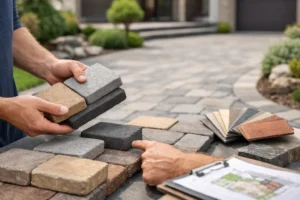
For most residential projects, the best outdoor pavers are concrete pavers, brick pavers, and natural stone. Each has strengths, trade-offs, and best-use cases. There is no single winner for every patio, driveway, walkway, or pool deck.
Concrete pavers are the most versatile choice for many homeowners. They come in a wide range of colors, shapes, textures, and patterns, which makes them a strong fit for driveways, patios, pool decks, and walkways. They also offer reliable strength and are easier to replace individually if damage ever occurs. For homeowners focused on value, design flexibility, and long-term performance, concrete pavers are often the most practical option.
Brick pavers bring a classic, established look that works especially well with traditional homes, front walkways, courtyards, and entry features. They hold color well and create a timeless finish, but they may offer fewer style options than concrete. Brick can also be more limited if you want a modern, large-format design.
Natural stone pavers deliver the most upscale, custom appearance. Travertine is especially popular around pools because it stays cooler underfoot than many other materials. Stone can create a premium outdoor living space, but it usually comes at a higher price point and may require more careful material selection depending on the application.
Choosing the Best Pavers by Project Type
The best paver for a driveway is not always the best paver for a pool deck. Function should lead the decision.
Best outdoor pavers for driveways
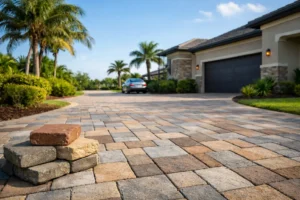
Driveways need strength first. They carry vehicle weight, deal with turning tires, and must stay stable through heavy rain and runoff. Concrete pavers are usually the top choice here because they are durable, widely available, and designed for interlocking performance. With the right base compaction and edge support, they can handle daily use while still offering strong curb appeal.
Brick can work in certain driveway designs, especially if the goal is a more traditional look, but it is less common for homeowners who want broader color and pattern options. Natural stone can be used for high-end driveways, though budget and stone type become bigger factors.
Best outdoor pavers for patios
Patios allow more flexibility because they are centered on comfort, appearance, and how you want the space to feel. Concrete pavers perform very well here because they can mimic natural stone, create modern clean lines, or support more decorative layouts. They are also a solid choice for covered pergola areas, outdoor kitchens, and entertaining spaces.
If your priority is a premium finish, natural stone often stands out on patios. It adds texture and visual depth that many homeowners love. Brick patios also have appeal, especially in homes where a warm, classic style fits the architecture.
Best outdoor pavers for pool decks
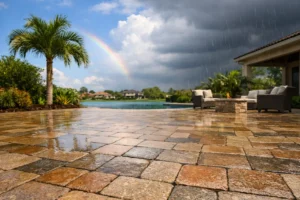
Pool decks have a different set of demands. Slip resistance, heat retention, drainage, and comfort under bare feet all matter. Travertine and other suitable natural stone products are often strong choices because they stay cooler and look refined. Certain concrete pavers also work very well for pool areas, especially when selected for surface texture and installed with proper slope for drainage.
This is one of the clearest examples of why material alone is not enough. Around a pool, poor grading or drainage can create standing water, slippery spots, and premature wear even if the pavers themselves are high quality.
Best outdoor pavers for walkways and entry paths
Walkways need to feel stable, safe, and visually connected to the home. Concrete and brick both perform well here. Concrete offers more design flexibility, while brick gives a more traditional and welcoming look. If you want a walkway that complements a larger patio or driveway project, matching or coordinating the paver style across the property can create a more finished result.
Material Trade-Offs Homeowners Should Know
A good paver decision is rarely about finding the fanciest material. It is about balancing appearance, durability, maintenance, and budget.
Concrete pavers are strong all-around performers. They are available in many styles and price points, and they fit most residential applications. The trade-off is that lower-grade products or poor installation can lead to fading, shifting, or uneven surfaces over time. Material quality and workmanship make a major difference.
Brick pavers offer lasting charm and a recognizable look, but they are less flexible from a design standpoint. If your project calls for large contemporary slabs or a sleek pool deck aesthetic, brick may not be the right fit.
Natural stone gives you the highest-end appearance, but not every stone is ideal for every setting. Some stones handle moisture, salt, and direct sun better than others. It is worth choosing based on actual site conditions, not just showroom appeal.
Why Installation Matters as Much as the Paver
Many hardscape problems blamed on pavers are really installation problems. Sunken spots, spreading edges, loose units, drainage issues, and weed growth often trace back to what is underneath the surface.
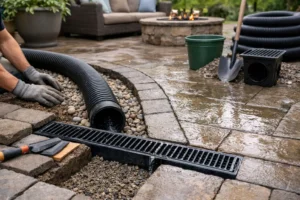
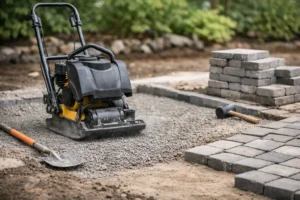
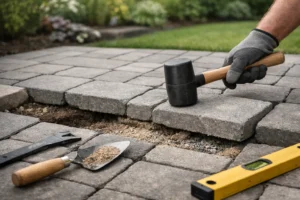
A properly built paver system starts with excavation to the correct depth, followed by a compacted base that supports the load and promotes stability. From there, the surface must be graded to move water away from the home and prevent pooling. Bedding sand, precise placement, edge restraints, and final compaction all play a role in how the finished area performs.
In Florida, drainage is especially important. A beautiful patio or driveway can quickly become a frustration if rainwater has nowhere to go. That is why experienced installation is not an upgrade. It is part of the product.
For homeowners in Tampa, Brandon, Riverview, Clearwater, or St. Petersburg, this is where local experience matters. A contractor who understands Florida soil conditions, storm patterns, and the way outdoor spaces are actually used can help you avoid choices that look good on paper but do not hold up in practice.
How to Pick the Right Style for Your Home
The best outdoor pavers should match both the function of the space and the character of the property. A sleek, large-format paver can look excellent on a modern backyard patio but feel out of place in front of a more traditional home. Brick may suit an older or more classic exterior beautifully, while textured concrete pavers can bridge the gap between contemporary design and everyday durability.
Color matters too. Lighter tones can keep spaces feeling brighter and more open, and they may be more comfortable in sunny areas. Darker tones can create contrast and richness, but they may show heat more in direct sun. Around pool decks and uncovered patios, that trade-off is worth thinking through.
Pattern also affects the final result. Running bond, herringbone, and modular layouts all create a different visual rhythm. For driveways, certain patterns can also improve interlock and performance under traffic. Good design is not just decoration. It helps the whole project feel intentional.
So, What Are the Best Outdoor Pavers?
If you want the most balanced option for performance, value, and design flexibility, concrete pavers are often the best outdoor pavers for Florida homes. If your goal is classic curb appeal, brick remains a strong choice. If you are building a premium patio or pool area and want a more upscale finish, natural stone may be worth the investment.
The right answer depends on how you use the space, what style fits your home, and whether the installation is designed to last. At Top Pavers, that is where the real difference is made – not just in selecting attractive materials, but in building outdoor spaces with proper grading, drainage, base compaction, and craftsmanship that holds up over time.
A good paver project should do more than look finished on day one. It should still feel solid, drain correctly, and add value to your home years from now. Start with the right material, but make sure the work beneath it earns your confidence too.