A paver project can look great on day one and still fail within a year if the ground underneath is not built correctly. That is the real value of a strong residential paver installation guide – not just picking a color or pattern, but understanding what makes a driveway, patio, pool deck, or walkway hold up in Florida heat, rain, and daily use.
In Tampa Bay, surface beauty and structural performance have to work together. Heavy summer storms, shifting moisture levels, and intense sun put pressure on every outdoor surface. When pavers are installed with proper excavation, grading, base compaction, edge restraint, and joint sand, they do more than improve curb appeal. They create an outdoor space that feels finished, drains better, and stays easier to maintain over time.
What a residential paver installation guide should really cover
Many homeowners start with the visible part of the project – shape, color, border style, and whether they want a modern or traditional look. Those choices matter, but they are only part of the job. A proper residential paver installation guide also needs to explain what happens below the surface, because the base is what determines whether the finished project stays level and attractive.
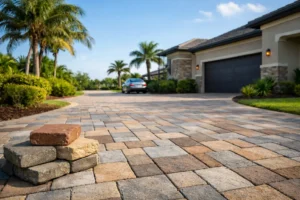
That is especially true for driveways and pool decks. A driveway needs to handle vehicle weight without rutting or shifting. A pool deck needs secure footing, reliable drainage, and a layout that stays comfortable and functional around the waterline. Even a simple walkway can create problems if it holds water or develops uneven edges.
The best installations are built from the ground up with a clear plan. That means evaluating the site, choosing the right paver type, preparing the subgrade, installing a compacted base, setting pavers with consistent spacing, securing the edges, sweeping in joint sand, and completing the job with clean finishing work.
Planning the project before installation starts
Every successful paver project begins with the site itself. Before anyone lays the first stone, the area should be measured and evaluated for slope, soil condition, drainage patterns, access, and intended use. A patio for light entertaining has different structural needs than a driveway that supports multiple vehicles.
Florida properties often present a few variables that affect installation decisions. Some lots need better grading to move water away from the home. Others need removal of old concrete, roots, or soft spots in the soil. If the project area sits near a pool, fence, or existing structure, the layout has to be precise from the beginning to avoid awkward cuts and uneven transitions.
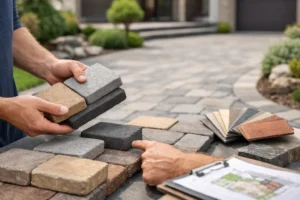
Material selection also happens at this stage. Concrete pavers remain a popular choice because they offer durability, design flexibility, and a wide range of shapes and colors. Thicker pavers are typically better for driveways, while patios and walkways may allow more flexibility in style. Texture matters too. Around pools or stairs, slip resistance should be part of the decision, not an afterthought.
Base preparation is where the job is won or lost
The part homeowners do not always see is the part that matters most. Proper excavation removes unsuitable material and creates room for the base and bedding layers. If the excavation depth is wrong, the final surface may sit too high, too low, or become unstable under load.
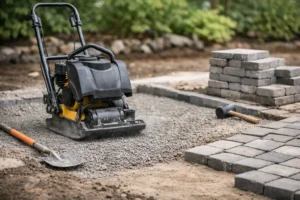
After excavation, the subgrade should be shaped and compacted. Then the base material is installed in layers and compacted thoroughly. Skipping this step or rushing it is one of the most common reasons pavers begin to settle, separate, or shift. In Florida conditions, compaction and drainage are tied together. Water intrusion combined with a weak base can shorten the life of the entire surface.
This is where experienced installation makes a visible difference later. A properly compacted base helps the pavers stay level, supports load distribution, and reduces the chance of dips, edge movement, and standing water. It is not the flashy part of the project, but it is the reason the finished project still looks good years from now.
Grading and drainage matter more than most homeowners expect
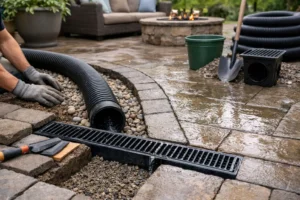
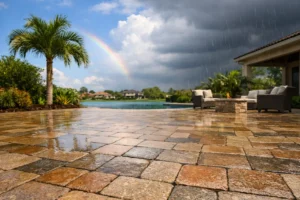
A paver surface should not trap water. It should direct water where it needs to go, away from the home and away from low spots that create staining, erosion, or slippery conditions. In the Tampa Bay area, where hard rains can hit fast, drainage is not optional.
Grading has to be planned before installation, not corrected after the fact. The surface needs the right pitch for the application, and that pitch has to work with the surrounding property. For example, a patio may need to slope away from the house, while a driveway may need to balance street elevation, garage entry, and side drainage conditions.
There is no one-size-fits-all formula here. Some projects need only careful slope management. Others may require more involved drainage solutions depending on the lot and existing runoff patterns. What matters is that drainage is treated as part of the build, not as a cosmetic issue.
Installing the pavers with precision
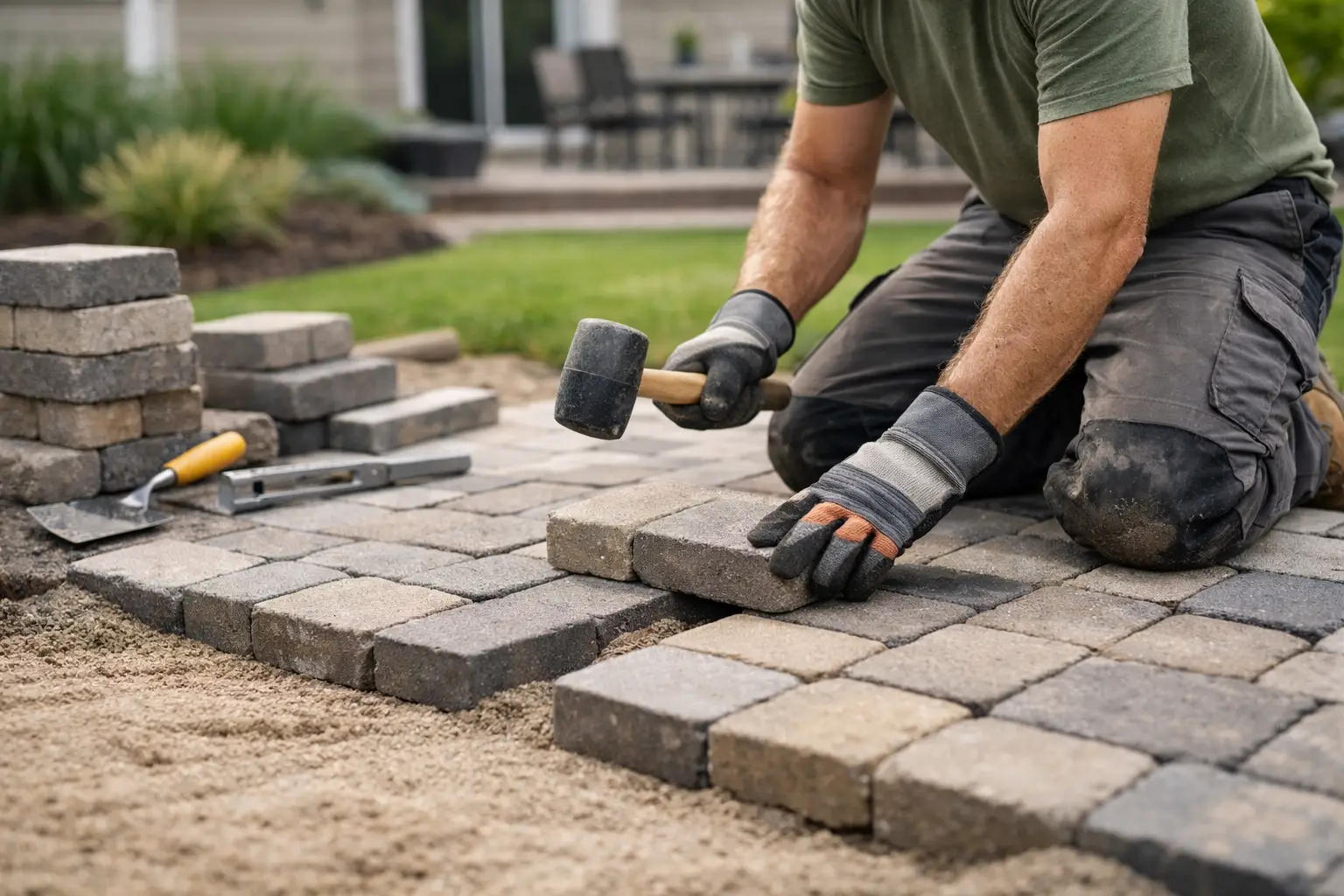
Once the base and bedding layer are properly prepared, the pavers can be laid according to the selected pattern. Precision matters at this point. Straight lines, consistent spacing, and accurate cuts around edges, curves, drains, and fixed structures all affect the final look.
Pattern choice also influences performance. Certain patterns offer better interlock for vehicle traffic, which makes them a smart choice for driveways. Decorative borders can elevate the appearance of patios and walkways, but they still need to be integrated into a structurally sound layout.
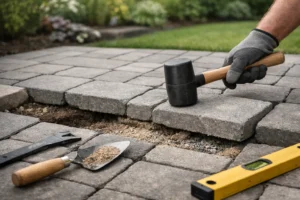
After the pavers are placed, they are compacted into the bedding layer and joint sand is swept into the joints. This step helps lock the system together and limit movement. Edge restraints are also critical. Without secure edging, even a well-laid paver field can begin to spread over time.
A residential paver installation guide for common project types
Driveways, patios, pool decks, and walkways all share the same core installation principles, but the details change based on use. A driveway has to support repeated weight and turning pressure, so base depth, paver thickness, and pattern strength become more important. A patio places more emphasis on comfort, layout, and how the hardscape connects to outdoor living features like pergolas, fire features, or seating walls.
Pool decks need careful attention to drainage, texture, and clean transitions around coping and water features. Walkways often seem simple, but they still require solid base preparation and thoughtful grading to avoid trip hazards and puddling. Steps and stoops add another layer of complexity because dimensions, stability, and finish quality all have to be exact.
That is why project type should guide the installation plan from the beginning. The right material and method for one area may not be the right choice for another.
What homeowners should expect from a professional crew
A quality paver installation is not only about the finished surface. It is also about how the project is managed. Homeowners should expect clear communication, accurate site measurements, professional excavation, attention to cleanup, and a crew that respects the property throughout the job.
Licensed and insured installation matters because it adds accountability and peace of mind. So does local experience. Crews that work regularly in Tampa, Brandon, Riverview, Clearwater, St. Petersburg, and surrounding areas understand how Florida weather, soil conditions, and drainage challenges affect hardscape performance.
Top Pavers approaches installation with that bigger picture in mind. Design is important, but long-term performance is what protects the investment.
How to protect the finished surface
Once the installation is complete, maintenance is usually straightforward. Regular sweeping, occasional rinsing, and prompt attention to weeds or joint sand loss help preserve the appearance and stability of the surface. Some homeowners choose sealing, which can enhance color and help with stain resistance, but it depends on the paver type, the setting, and the look you want.
The good news is that pavers are also repair-friendly compared to poured concrete. If a section ever needs adjustment because of settlement, utility work, or damage, individual units can often be addressed without replacing the entire surface. That flexibility is part of what makes pavers such a practical long-term choice.
A well-built paver project should feel solid underfoot, drain properly after a storm, and still look clean and intentional long after installation day. If you are planning an outdoor upgrade, the smartest place to start is not with the sample board. It is with a contractor who understands that lasting results come from the ground up.