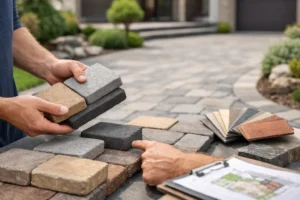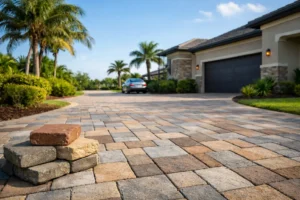
Fresh pavers look finished the day the crew leaves, but paver sealing after installation is one of those details that can either protect that investment or cause problems if it is rushed. Homeowners across Tampa Bay often ask the same question right after a new driveway, patio, or pool deck goes in – should it be sealed right away? The short answer is usually no. The better answer depends on the paver type, the joint sand, the weather, and how well the surface has had time to settle and dry.
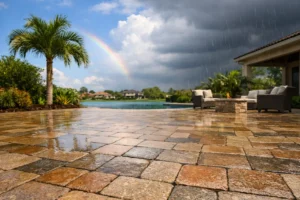
That timing matters more in Florida than many people realize. Heat, heavy rain, humidity, irrigation overspray, and pool splash all put hardscapes under constant stress. Sealing can absolutely help with color retention, stain resistance, and easier maintenance, but only when it is done under the right conditions and for the right reason.
Why paver sealing after installation is not always immediate
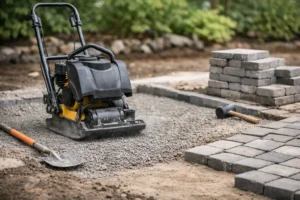
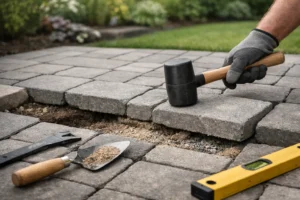
A newly installed paver surface needs time to stabilize. Even when the installation is done correctly with proper grading, base compaction, edge restraint, and joint sanding, the surface is still going through an early settling period. Joint sand needs time to lock in, moisture needs to leave the system, and any remaining efflorescence risk needs to be considered before a sealer goes on.
Efflorescence is one of the biggest reasons experienced contractors avoid sealing too quickly. It shows up as a whitish haze caused by natural salts moving to the surface as moisture evaporates through the pavers. If a sealer is applied too early, that haze can get trapped underneath, leaving the surface looking cloudy instead of clean and rich in color.
There is also the issue of moisture itself. Sealers need a dry surface and, just as important, dry conditions below the surface. In a place like Tampa, Clearwater, Riverview, or St. Petersburg, that is not always easy to guarantee right after installation, especially during rainy months.
When should you seal new pavers?
In most cases, new pavers should be sealed only after the installation has fully settled and dried. A common recommendation is to wait at least several weeks, and in some cases longer, depending on the material and site conditions. If polymeric sand was used in the joints, that sand needs to cure properly first. If the project was completed during a rainy stretch, more wait time may be necessary.
For many residential hardscapes, a practical window is around 60 to 90 days after installation. That gives the surface time to breathe, allows any early efflorescence to appear and be cleaned if needed, and reduces the chance of trapping moisture under the sealer. It is not a one-size-fits-all rule, though. A shaded backyard patio with poor airflow behaves differently than a sunny driveway that dries quickly every day.
This is where craftsmanship matters. Sealing should be based on site conditions, not just the calendar. A contractor who understands Florida hardscapes will look at the paver surface, the joints, drainage patterns, recent weather, and the sealer being used before making that call.
What sealing actually does for your pavers
Sealing is not required for every paver installation, but it offers real benefits when homeowners want easier upkeep and longer-lasting appearance. The most obvious benefit is color enhancement. Some sealers deepen the tone of the pavers and bring out more contrast in the surface, which can make a driveway or patio look cleaner and more defined.
Sealing also helps reduce staining from oil, grease, food, rust, leaf debris, and organic buildup. That matters on driveways and outdoor kitchens, but it also matters around pool decks where sunscreen, drinks, and regular foot traffic can leave the surface looking worn faster than expected.
Another important benefit is joint sand retention. A quality sealer can help stabilize sand in the joints, which supports interlock and reduces washout from storms, irrigation, and routine cleaning. That does not replace proper installation, but it can help protect it.
The trade-off is that sealing changes maintenance expectations. Once a surface is sealed, it should be maintained like a sealed surface. That means using the right cleaners, avoiding harsh pressure washing, and planning for reapplication over time as the finish wears down.
When sealing may not be the right move yet
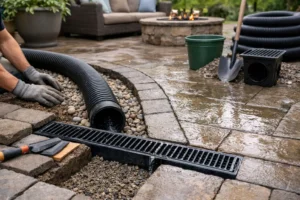
There are situations where waiting is the smarter choice. If the pavers still show signs of moisture, if the joints are not fully stable, or if the surface has developing efflorescence, sealing should be delayed. The same applies if the project has drainage issues that need to be corrected first. Sealer is not a fix for standing water, shifting pavers, or poor runoff.
Homeowners should also be careful about sealing purely for shine. Not every surface benefits from a glossy look, especially around pool areas where slip resistance matters. Some sealers are natural-look products, while others create a richer or wetter finish. The best choice depends on the space, the paver style, and how the area is used.
A driveway, for example, often benefits from a durable protective sealer that helps with stain resistance and joint stability. A pool deck may call for a more restrained finish that preserves traction and does not create an artificial appearance. Good results come from matching the product to the use case.
Choosing the right sealer in Florida
Not all sealers perform the same way in Florida’s climate. UV exposure, heavy rain, heat buildup, and high humidity put more pressure on coatings here than in milder regions. That is why product selection matters.
Film-forming sealers can enrich color and create a more noticeable finish, but they require careful application and are more sensitive to trapped moisture and overapplication. Penetrating sealers tend to offer a more natural look and can perform well when the goal is protection without a visible surface layer. Neither is automatically better. It depends on the paver material, the look you want, and the environment around the installation.
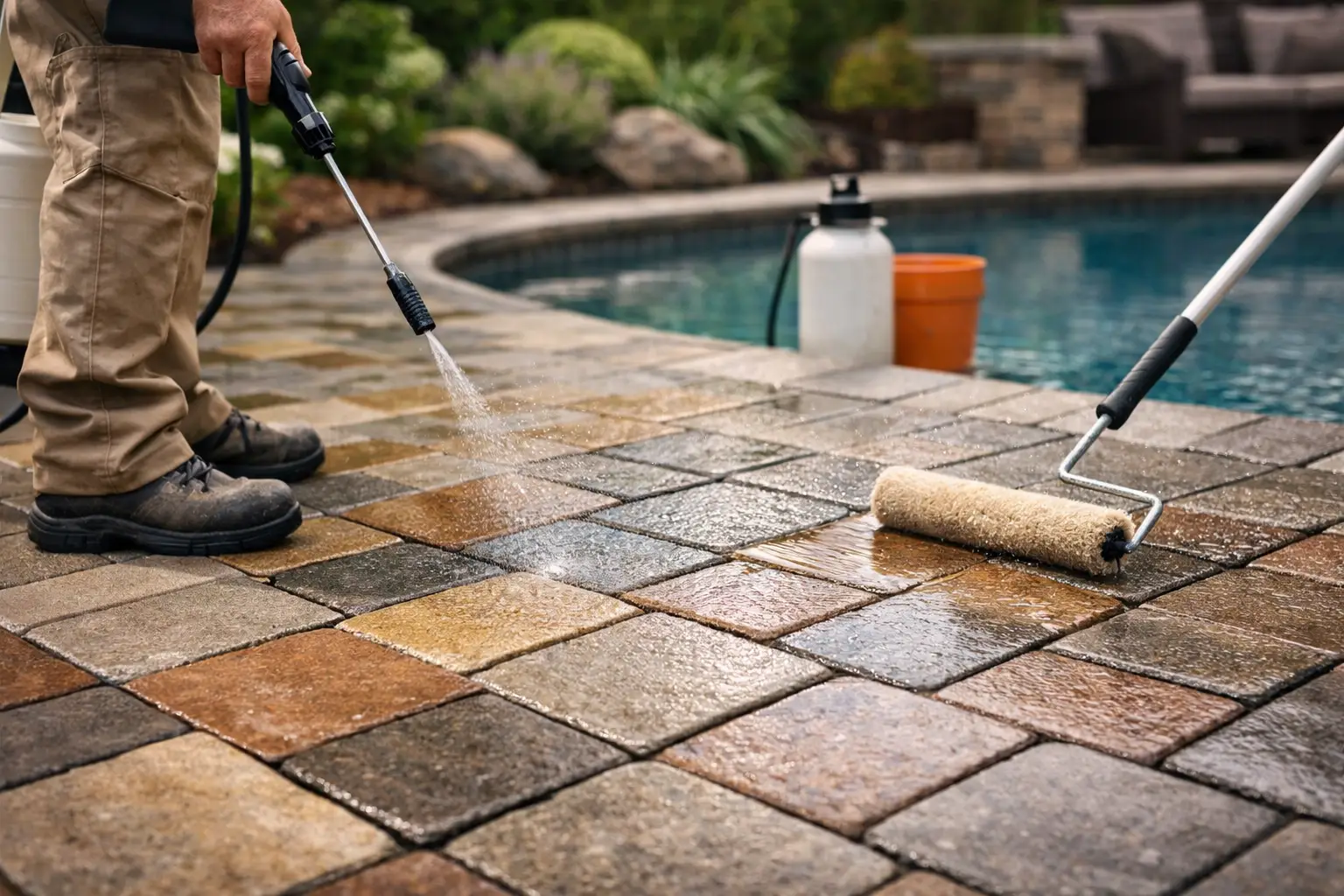
Application matters just as much as product choice. Too much sealer can leave a tacky finish, whitening, roller marks, or uneven sheen. Too little may not provide the benefit homeowners expect. The surface has to be clean, completely dry, and properly prepped before any sealer goes down.
How to know your pavers are ready
A ready-to-seal paver surface should look clean, dry, and stable. The joints should be filled and set. There should be no visible moisture issues, and any efflorescence should already be identified and addressed. Weather should also cooperate. A proper sealing day needs a dry forecast, moderate conditions, and enough time for the product to cure without afternoon rain interrupting the process.
This is one reason many homeowners prefer to work with a professional rather than treat sealing like a weekend add-on. A lot can go wrong if the timing is off by even a day or two. In Florida, that is especially true during summer when pop-up storms and high humidity can undo careful prep work fast.
Paver sealing after installation and long-term maintenance
Once sealed, your pavers still need care, just less of the frustrating kind. Regular sweeping, prompt cleanup of spills, and gentle washing go a long way. If you notice fading, joint sand loss, or areas that start absorbing water unevenly, it may be time for maintenance rather than a full repair.
Most sealed paver surfaces will need resealing eventually, but the schedule depends on sun exposure, traffic, weather, and product type. A busy driveway in full sun wears differently than a covered patio. There is no honest universal timeline. What matters is watching the surface and resealing based on condition, not habit.
At Top Pavers, that practical approach is part of doing the job right. Installation quality comes first, because no sealer can make up for weak base preparation, poor drainage, or careless finishing. When sealing is added at the right time, it becomes a smart layer of protection rather than a shortcut.
The bottom line for homeowners
If you have just installed a new paver driveway, patio, walkway, or pool deck, resist the urge to seal it immediately just because it looks complete. The best results come from patience, proper drying time, and a sealing plan based on real site conditions. Done too soon, sealing can lock in moisture and blemishes. Done at the right time, it helps preserve the color, reduce maintenance, and protect the work underneath.
A well-built paver surface should already have the structure to perform in Florida weather. Sealing is there to support that performance and appearance, not replace the fundamentals. When the base is solid, drainage is correct, and the timing is right, sealing becomes one more way to keep your outdoor space looking sharp long after installation day.