A plain concrete driveway with stains, a cracked pool deck, or a backyard that feels unfinished can quietly drag down how a home is perceived. So, do pavers increase home value? In many cases, yes – especially when they improve curb appeal, add usable outdoor living space, and are installed correctly for Florida conditions.
The key is understanding what buyers actually notice and what appraisers are more likely to recognize. Pavers are not magic on their own. Value comes from the combination of appearance, durability, drainage, and how well the finished space fits the home.
Do pavers increase home value in real-world terms?
For most homeowners, the better question is not whether pavers add a fixed dollar amount. It is whether they make the property more attractive, more functional, and easier to sell. That is where pavers tend to perform well.
A professionally installed paver driveway, patio, walkway, or pool deck creates an immediate visual upgrade. Buyers notice clean lines, finished edges, coordinated colors, and outdoor spaces that look ready to use. In neighborhoods across Tampa, Brandon, Riverview, Clearwater, and St. Petersburg, that first impression matters because many homes compete on curb appeal before a buyer ever steps inside.
Pavers also send a message about upkeep. When outdoor surfaces look intentional and well built, the home often feels better maintained overall. That does not guarantee a higher appraisal by itself, but it can absolutely influence buyer confidence and perceived quality.
Where pavers tend to add the most value
Not every paver project has the same impact. Some upgrades are more visible and more practical than others.
Driveways
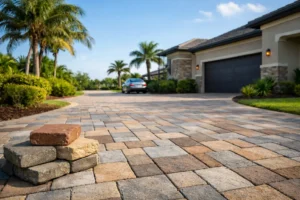
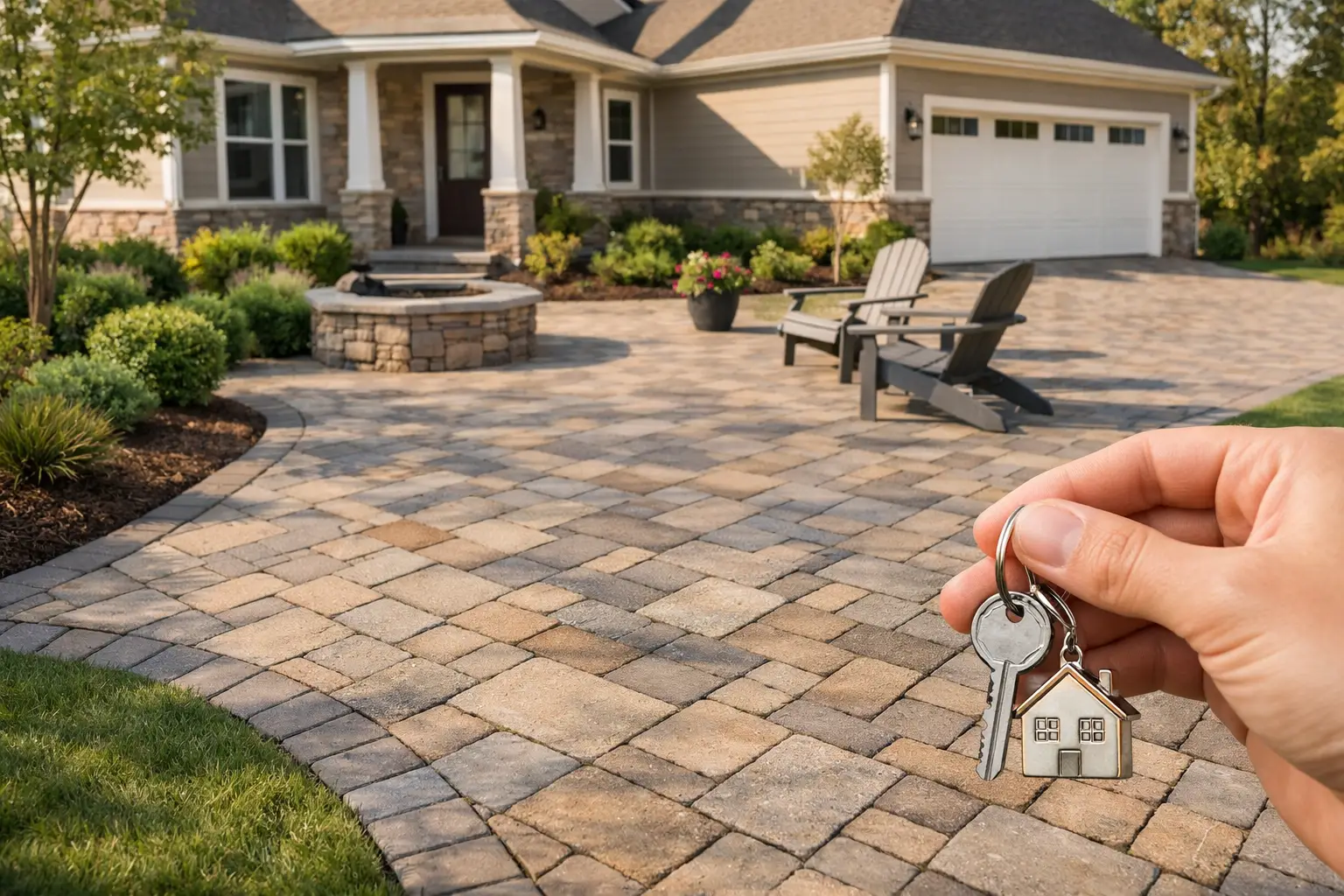
A driveway is one of the strongest places to invest because it sits front and center. It affects curb appeal every day, and it covers a large visual area. Replacing plain or damaged concrete with pavers can make the front of the home look more custom, more finished, and more in line with higher-end properties.
There is also a functional benefit. A properly built paver driveway is designed to handle vehicle weight, weather exposure, and daily use. In Florida, that matters. Heavy rain, heat, shifting soils, and drainage issues can punish weak surfaces. A driveway that looks great but fails early is not adding value. A driveway built with the right base preparation, grading, and compaction is a different story.
Patios and outdoor living areas
Backyards sell a lifestyle. A paver patio turns empty yard space into an area for dining, entertaining, relaxing, or gathering around a fire feature. That added usability can increase perceived value because buyers are not just seeing land – they are seeing a finished outdoor room.
This is especially true in the Tampa Bay area, where outdoor living is part of how people use their homes for much of the year. A covered pergola, seating area, or defined paver patio can make a property feel larger without adding interior square footage.
Pool decks
For homes with pools, the deck surrounding that pool carries a lot of visual weight. A worn or outdated surface can make the entire backyard feel tired. A clean, well-designed paver pool deck can change that quickly.
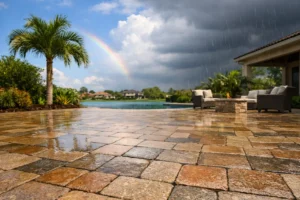
Beyond looks, buyers appreciate surfaces that feel safer and more intentional. Pool areas need good drainage, solid footing, and materials that hold up under sun, rain, and regular use. When the deck is well executed, it supports both comfort and resale appeal.
Walkways and entry paths
Walkways usually do not get as much attention as driveways or patios, but they help create a polished approach to the home. A front entry path made with pavers improves flow and ties the landscape together. It is a smaller project, yet it can make the property feel more complete.
Why installation quality matters more than the material alone
This is where many homeowners get tripped up. They assume pavers automatically add value because the material looks upscale. But buyers and inspectors do not respond to material alone. They respond to condition and workmanship.
If pavers are uneven, poorly drained, loosely edged, or already shifting, the project can work against you. Instead of looking like an upgrade, it can look like a repair waiting to happen.
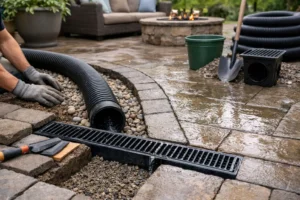
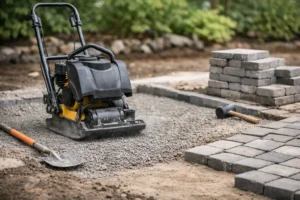
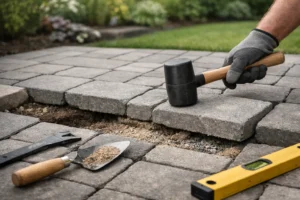
That is why the foundation of the project matters so much. Proper excavation, grading, base compaction, edge restraint, and drainage planning are what allow pavers to perform over time. In Florida’s climate, skipping those steps is expensive. Rainfall, moisture, heat, and soil movement will expose shortcuts fast.
A well-installed paver surface should look sharp on day one, but it should also keep its integrity after storms, foot traffic, vehicles, and years of use. That long-term performance is what protects value.
What buyers in Florida tend to care about
Home value is never only about materials. It is about what those materials solve for the next owner.
In the Tampa Bay market, buyers often care about three things at once: appearance, maintenance, and weather performance. They want a driveway or patio that looks custom, but they also want confidence that it can handle Florida heat and heavy rain without quickly breaking down.
Pavers check that box well when the project is designed correctly. Individual units can be repaired more easily than large poured slabs. Patterns and colors can be matched to the home’s style. Drainage can be built into the layout more intentionally. For many buyers, that combination feels like a practical upgrade, not just a cosmetic one.
When pavers may not add as much value
There are trade-offs, and homeowners should be realistic about them.
If the project is overbuilt for the neighborhood, the return may be limited. A very elaborate hardscape design in an area where buyers expect simpler finishes may improve enjoyment more than resale. That is not a bad outcome, but it is worth recognizing.
Design choices matter too. Highly personal color blends or patterns can reduce broad buyer appeal. Most of the time, timeless styles and colors work better than trying to make the surface stand out too aggressively.
Condition is another factor. Older pavers that are stained, sunken, or surrounded by neglected landscaping will not have the same effect as a fresh, well-maintained installation. Value is tied to the total presentation.
Appraisal value versus market appeal
Some homeowners want a precise formula, but real estate rarely works that way. A paver project may not return its full cost dollar for dollar in a formal appraisal. That does not mean it was a weak investment.
Market appeal has real value. Homes that show better, photograph better, and feel more finished often attract more interest. That can help a home sell faster or compete more strongly against similar listings. In some cases, that buyer response is more meaningful than any single line item on an appraisal report.
Think of pavers as part of the home’s overall package. They support the impression that the property has been upgraded thoughtfully and maintained properly. That matters to buyers, and it often matters before they start comparing details room by room.
How to make a paver project worth the investment
If your goal is to improve value, start with the area that is most visible or most underused. A damaged driveway, an outdated pool deck, or a backyard with no defined living space usually presents the clearest opportunity.
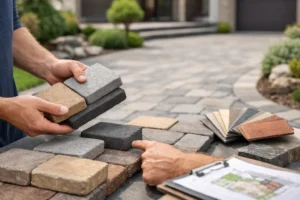
Next, keep the design aligned with the home. The best projects feel like they belong there. The shape, color, border details, and scale should complement the architecture instead of competing with it.
Most important, choose installation quality over shortcuts. A low price loses its appeal quickly if the surface settles, holds water, or starts separating at the edges. A professional crew that handles grading, drainage, base prep, and cleanup the right way gives the project a better chance of delivering both daily enjoyment and lasting value.
For homeowners in Tampa Bay, this is where working with a local hardscape specialist matters. Top Pavers sees firsthand how outdoor surfaces perform under Florida weather, soil conditions, and year-round use, and that local experience makes a difference in the final result.
So, do pavers increase home value?
They often do when they improve the way a home looks, functions, and holds up over time. A paver driveway can sharpen curb appeal. A patio can turn wasted yard space into a true living area. A pool deck or walkway can make the property feel more complete and better maintained.
The real answer is not just yes or no. It depends on the location, the design, the condition of the existing space, and the quality of the installation. When those pieces come together, pavers are more than a surface upgrade – they become part of what makes a home feel finished, desirable, and ready for the next owner.
If you are considering a project, the smartest place to start is with a clear look at how your outdoor space is working now and what would make it stronger, cleaner, and more usable for years ahead.