
By 2 p.m. in Tampa Bay, an uncovered patio can feel less like an outdoor living space and more like a hot plate. That is why homeowners searching for the best patio shade structures are usually not looking for a cosmetic upgrade alone. They want relief from direct sun, better comfort near the pool, and a backyard that gets used more than a few months a year.
In Florida, shade has to do more than block sunlight. It has to hold up through heat, humidity, heavy rain, and wind, while still looking like it belongs with the home and the hardscape around it. The right structure can make a paver patio feel finished, protect furniture, reduce surface temperatures, and create a more valuable outdoor space overall. The wrong one can look out of place, trap heat, or require more maintenance than expected.
What makes the best patio shade structures work in Florida
A good shade structure in another state is not always a good one here. In the Tampa Bay area, sun exposure is intense, storms are part of the equation, and moisture never stays away for long. That means material selection, attachment method, drainage, and placement matter just as much as appearance.
The best results usually come from planning the shade structure and the patio together. When the base, pavers, drainage slope, and post locations are considered upfront, the finished space looks cleaner and performs better. You avoid awkward footings, uneven surfaces, and water runoff problems that show up later.
1. Covered pergolas
A covered pergola is one of the strongest options for homeowners who want both style and practical protection. Traditional pergolas with open slats create partial shade, but in Florida they often do not block enough sun during the hottest hours. Adding a solid or semi-solid roof changes that.
This option works especially well over paver patios, outdoor dining areas, and lounge spaces near the pool. It gives the yard architectural definition without making the patio feel enclosed. It also pairs well with masonry features like fire pits, seating walls, and outdoor kitchens.
The trade-off is cost and construction complexity. A covered pergola needs proper footings, careful integration with the patio layout, and materials that resist moisture and warping. But when it is built correctly, it offers one of the best balances of shade, appearance, and long-term value.
2. Insulated aluminum patio covers
For homeowners who want reliable shade with low maintenance, insulated aluminum patio covers are hard to beat. These structures provide solid overhead protection, reflect heat better than many basic roof systems, and hold up well in humid conditions.
They are a practical fit for families who use their patio often and do not want to deal with regular staining, painting, or wood upkeep. They also help keep the covered area noticeably cooler, which matters when the patio sits in direct afternoon sun.
Design-wise, aluminum can feel more utilitarian than wood unless it is integrated carefully with the home and paver design. That does not make it a poor choice. It just means appearance should be part of the planning conversation, especially in more upscale outdoor living projects.
3. Louvered roof systems
If flexibility matters most, louvered roof systems deserve a serious look. These structures let you adjust the roof slats to control sun, shade, and airflow throughout the day. On bright mornings, you can filter light. During a summer rain, you can close the louvers for better coverage.
For some homeowners, this is the best patio shade structure because it adapts to changing conditions instead of forcing one fixed setup. That can be a major benefit in Florida, where weather shifts quickly and outdoor comfort changes by the hour.
The downside is price. Louvered systems usually sit on the higher end of the budget range, and motorized versions add another layer of cost and mechanical maintenance. Still, for a high-use patio where comfort and convenience are top priorities, they can be worth it.
4. Shade sails
Shade sails are a more modern, budget-conscious option. They can add visual interest, cover targeted areas, and work well where a permanent roof structure is not practical. Around pools and open lounge spaces, they often create a lighter, less bulky look than framed structures.
They are not always the best long-term solution for every home, though. Installation points must be strong, fabric quality matters, and tension has to be right to avoid sagging. In storm-prone areas, they may need to be removed or replaced more often than a permanent structure.
If a homeowner wants quick shade and a contemporary look, sails can make sense. If the goal is a lasting backyard upgrade tied closely to property value, a more substantial structure usually delivers better results.
5. Retractable awnings
Retractable awnings work well for patios attached directly to the home. They provide shade when needed and retract when homeowners want more sun or open sky. That flexibility is appealing for people who use the patio differently from season to season.
They are often less invasive than building a full structural cover, which can make them attractive for smaller spaces or simpler outdoor upgrades. For backyard sitting areas right off a sliding door or lanai opening, they can be effective.
Still, they are not ideal for every situation. Wind exposure can be an issue, coverage is limited compared to a freestanding structure, and the look is more functional than architectural. They solve a comfort problem well, but they do not always create the same finished outdoor-room effect.
6. Gazebos and pavilions
Gazebos and pavilions offer some of the most complete shade coverage available. If the goal is a destination space in the yard, separate from the house, these structures create a strong focal point. They are especially effective for larger patios where homeowners want a dedicated dining, entertaining, or relaxation area.
A pavilion typically has a cleaner, more open look, while a gazebo feels more traditional and enclosed. Either one can anchor a custom hardscape design when the proportions are right.
The main consideration is scale. On a smaller suburban lot, a large pavilion can overwhelm the space if it is not designed carefully. It also needs to be coordinated with paver patterns, elevations, and drainage so the patio feels intentional rather than pieced together.
7. Natural shade with structure support
Trees alone are not usually enough to count among the best patio shade structures, but they can be part of the smartest solution. In some backyards, combining a pergola or pavilion with strategic landscaping creates better long-term comfort than relying on a built structure by itself.
Natural shade softens the look of the patio, reduces reflected heat, and makes the space feel established. The key is not to treat landscaping as an afterthought. Root growth, debris, and moisture patterns all affect nearby hardscaping, so placement should be considered early.
This approach depends on patience. Trees take time, and they do not provide the same immediate coverage as a roofed structure. But when paired well with a professionally built patio, they can significantly improve the overall outdoor environment.
How to choose among the best patio shade structures
The right choice depends on how the patio is used, how much sun the yard gets, and whether the project is meant to be a quick upgrade or a long-term investment. A poolside lounging area has different needs than a dining patio behind the house. A family that wants year-round shade will likely need something more substantial than fabric or partial slats.
Budget matters, but so does lifecycle cost. A cheaper solution that fades, shifts, or needs frequent replacement may not be cheaper over time. Homeowners should also think about how the structure connects with the patio itself. Shade works best when it feels built into the design, not added on after the fact.
That is one reason many successful outdoor projects are planned as a complete system. The paver layout, grading, water runoff, post supports, traffic flow, and shade coverage all affect each other. A beautiful structure on a poorly prepared patio will not perform the way it should.
Why installation quality matters as much as the structure itself
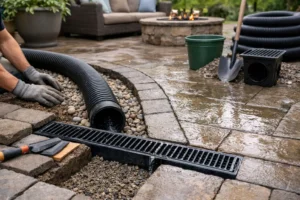
Even the best patio shade structures can disappoint if the installation is rushed or the site work is weak. In Florida, poor drainage leads to standing water, shifting surfaces, and long-term wear. Bad placement can leave key seating areas exposed while shading the wrong part of the yard.
A well-built patio and shade structure should work together. Posts should align cleanly with the hardscape. Water should move away from the home and away from the living area. Materials should be selected for climate performance, not just looks in a showroom.
That is where experienced local planning makes a difference. Companies like Top Pavers understand that outdoor living projects here are not just about appearance. They are about building spaces that stay comfortable, stay level, and stay attractive through Florida weather.
If you are deciding between shade options, start with how you want the space to feel at the hottest part of the day, not just how you want it to look in a photo. The best choice is the one that gives your patio real daily use and still holds up years from now.